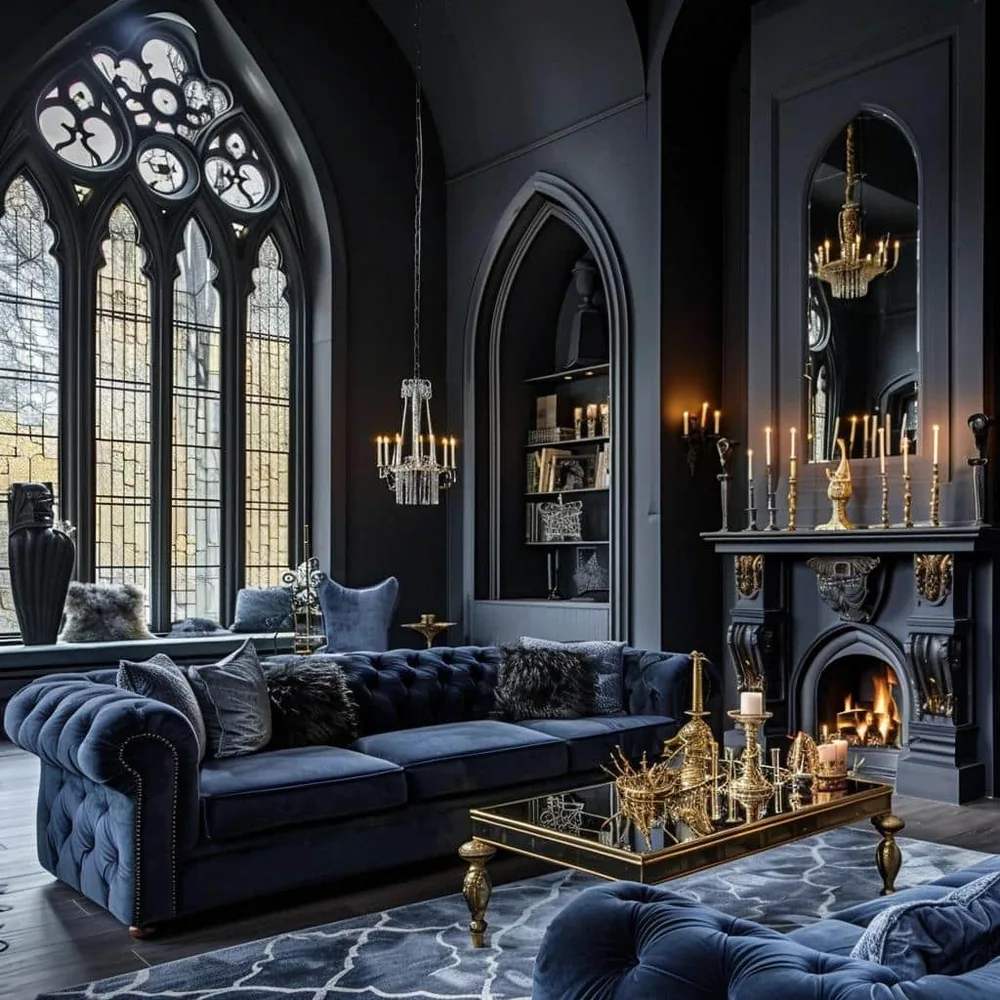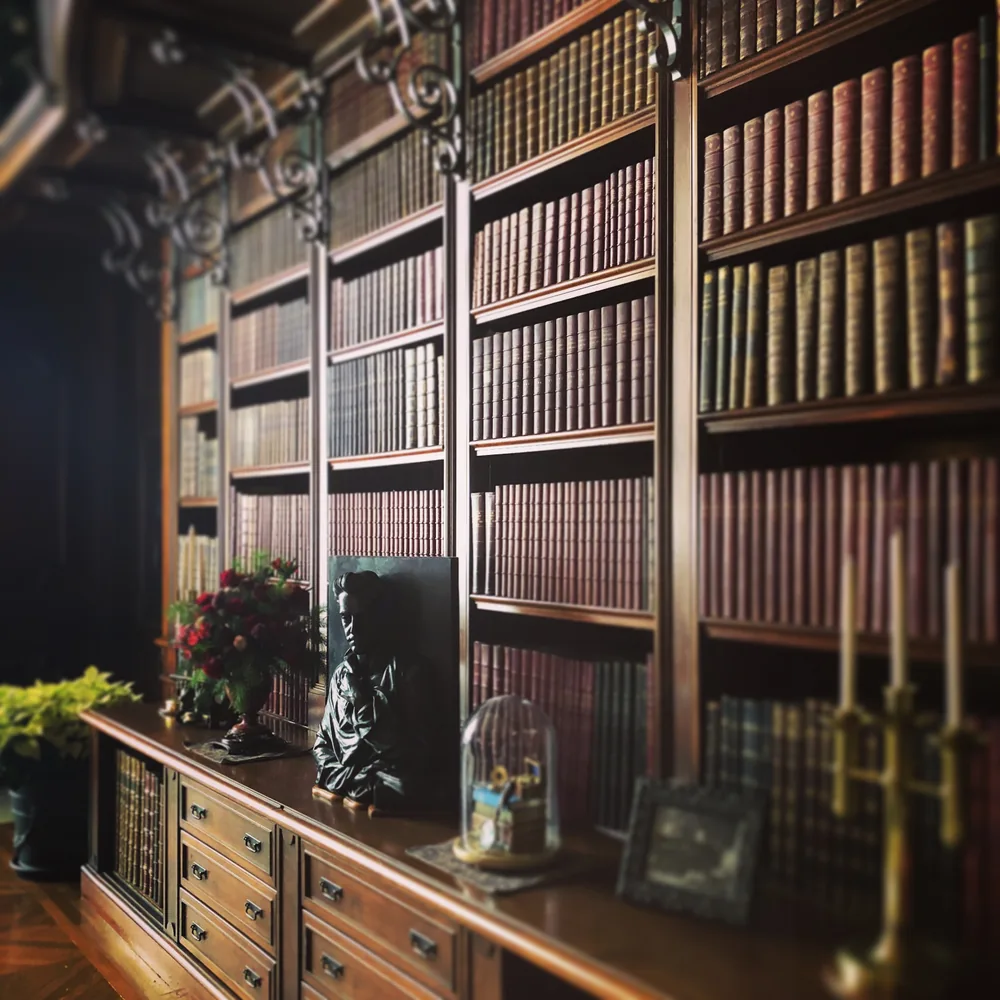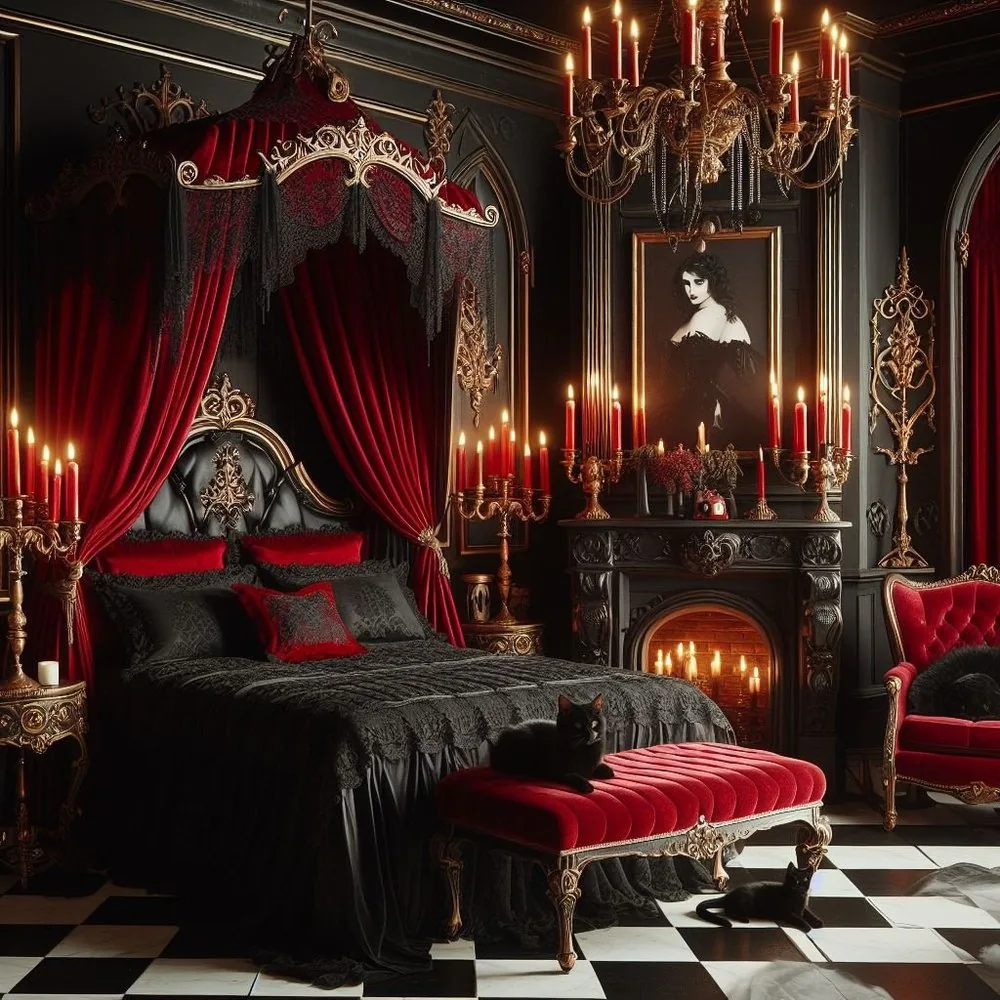
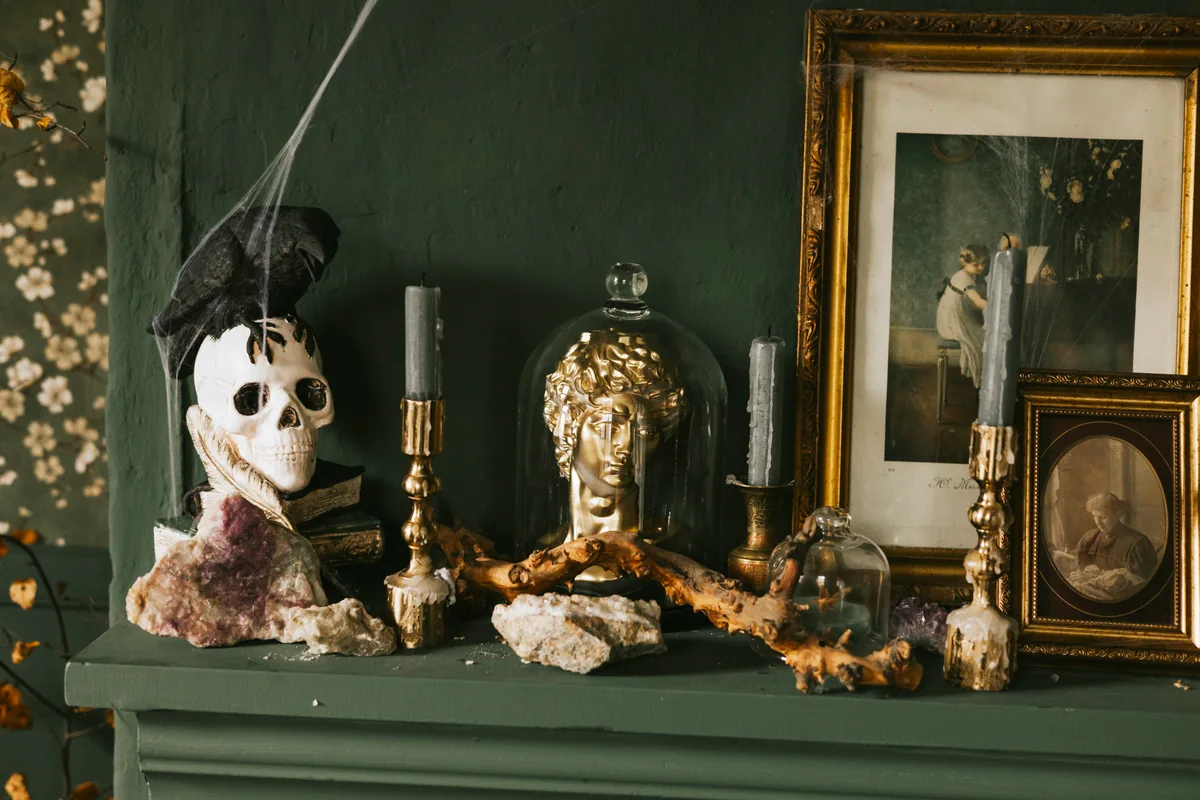
A cabinet of curiosities is most interesting when it looks as though someone has spent time with it. A few books, a vessel, an unfamiliar shape and an object with a private story can belong together without sharing the same finish. The connection comes from your attention, rather than a rule that everything must match.
You do not need a glass cabinet to begin. One shelf, a small dresser or the top of a bookcase can hold an edited collection. Our cabinet of small wonders offers a mood to work from, but the objects that make your own version convincing may already be in another room.
Choose a boundary before choosing more objects
Decide which shelf or surface belongs to the collection. A boundary helps you edit and leaves the surrounding room calmer. Clear it completely, then put back only the things you want to look at closely. Photograph the arrangement before adding anything new.
Give the background some thought. A pale object can disappear against a light wall, while a dark ornament may need light from the side to show its shape. Try changing its position or the backdrop before deciding that the object itself is wrong.
Vary the shapes, not every colour
Round glass, a tall spine and a more irregular silhouette create variety without a crowded palette. The amber corked bottles (Amazon UK affiliate link) add a warm translucent material beside opaque books or resin. They are small decorative vessels; check the selected capacity and dimensions so their scale makes sense on your shelf.
Leave the bottles empty if that suits the display. You do not need to invent labels, contents or a historical story to make them interesting. Their colour and outline can do the work on their own.
Give the stranger objects some breathing space
The Ravens Remains figurine (Amazon UK affiliate link) puts a dark bird above a pale skull, creating a strong contrast in a small space. The Cthulhu figurine (Amazon UK affiliate link) offers a different, winged outline in green. Both are manufactured ornaments. Choose the silhouette you enjoy and avoid implying that a cast piece is an antique or natural specimen.
Place the chosen object where you can see its full outline. Books pushed tightly against both sides can hide the very detail that made you choose it. A clear patch of shelf is part of the composition, not a gap waiting to be filled.
Introduce one pale or graphic detail
The Temerity Jones palmistry hand (Amazon UK affiliate link) brings a lighter surface and fine printed marks into the collection. Treat it as decorative imagery rather than a source of factual information about a person. A different colour or material often gives the eye somewhere to pause among darker pieces.
The wolf moon wall plaque (Amazon UK affiliate link) can create another level behind the shelf when the wall and hanging arrangement are suitable. Check its actual measurements and fixings. If you cannot hang it securely, choose a freestanding object instead of improvising a precarious display.
Let the collection hide something useful
A Tree of Life box (Amazon UK affiliate link) or Salem's Spells box (Amazon UK affiliate link) gives small possessions a place within the display. Check the usable storage area as well as the outer dimensions; an ornate box can have less room inside than its silhouette suggests.
The Malpuss incense holder (Amazon UK affiliate link) can also stand as an ornamental cat when you are not using incense. If you do use it for burning, follow the manufacturer's instructions, protect the surface and keep it away from fabric. You can enjoy a curious object without needing to add smoke to the room.
Edit the display as the room changes
Step back and remove one object. Move another from the front to the back. Repeat a material across the shelf once or twice, then let the other pieces differ. Look from the chair or doorway you use most often, rather than judging only from a close-up photograph.
Keep a board for things you might gather later, and leave some of the collection out of sight for a while. Rotating a few favourites can make the shelf interesting again without another purchase. To give the same objects a useful setting around books and a chair, continue with our dark academia reading corner.
Product notes are selection guidance, not claims of hands-on testing. Room and story images illustrate a mood; product cards show the selected item and link straight to its Amazon UK listing.