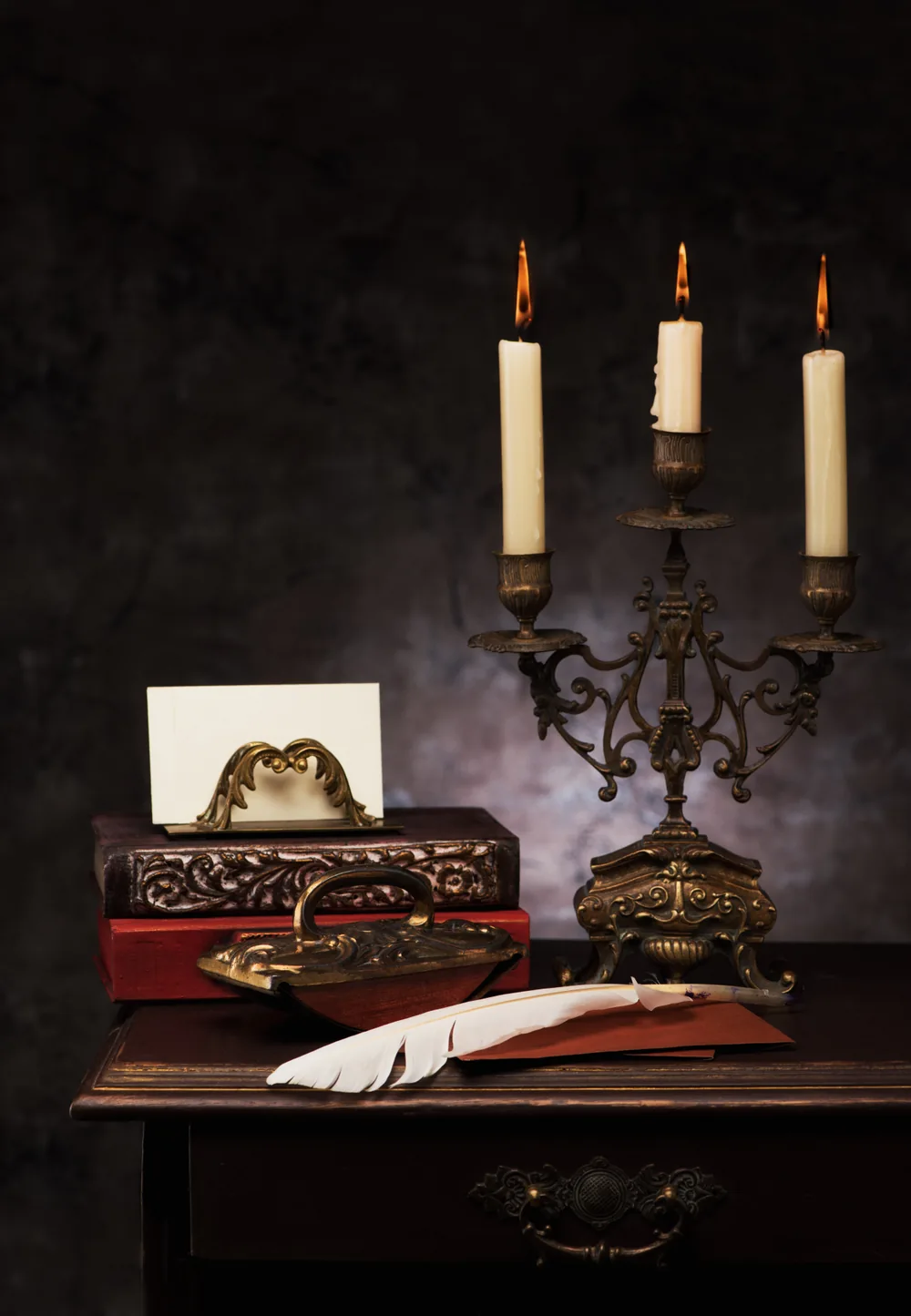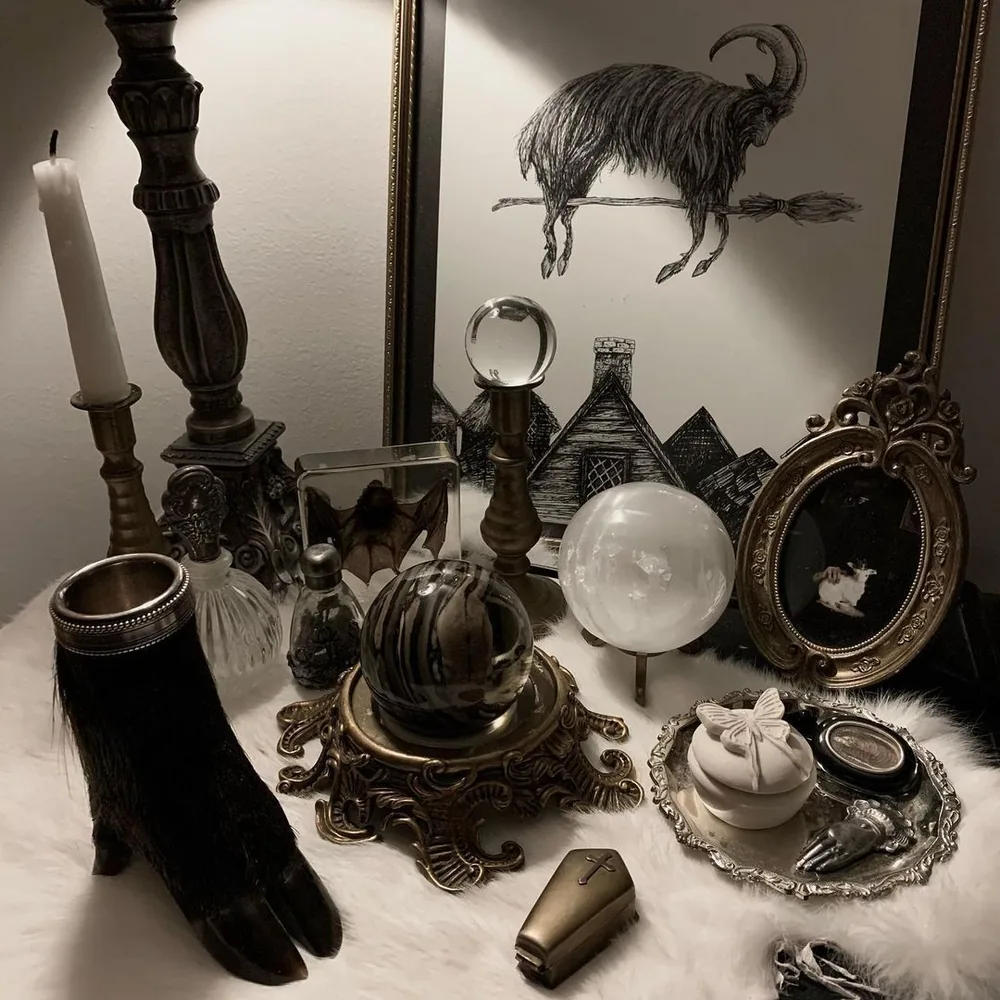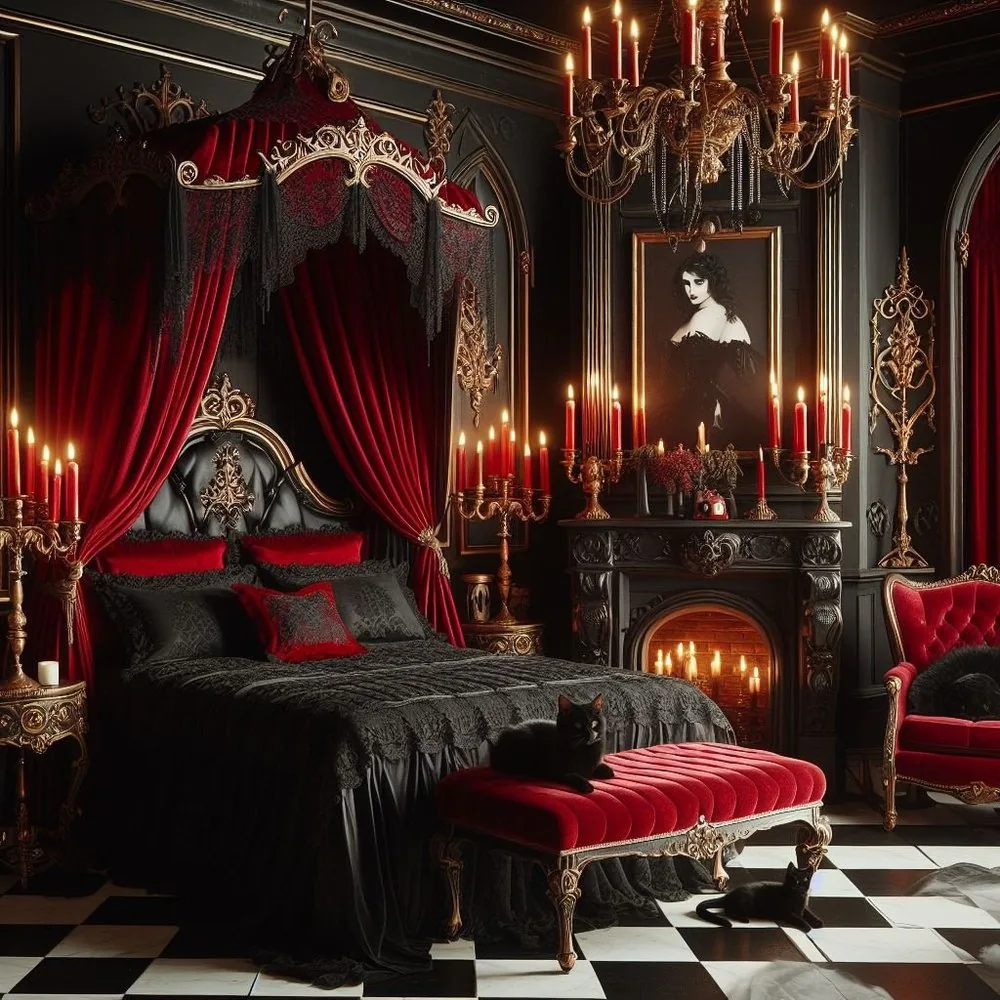
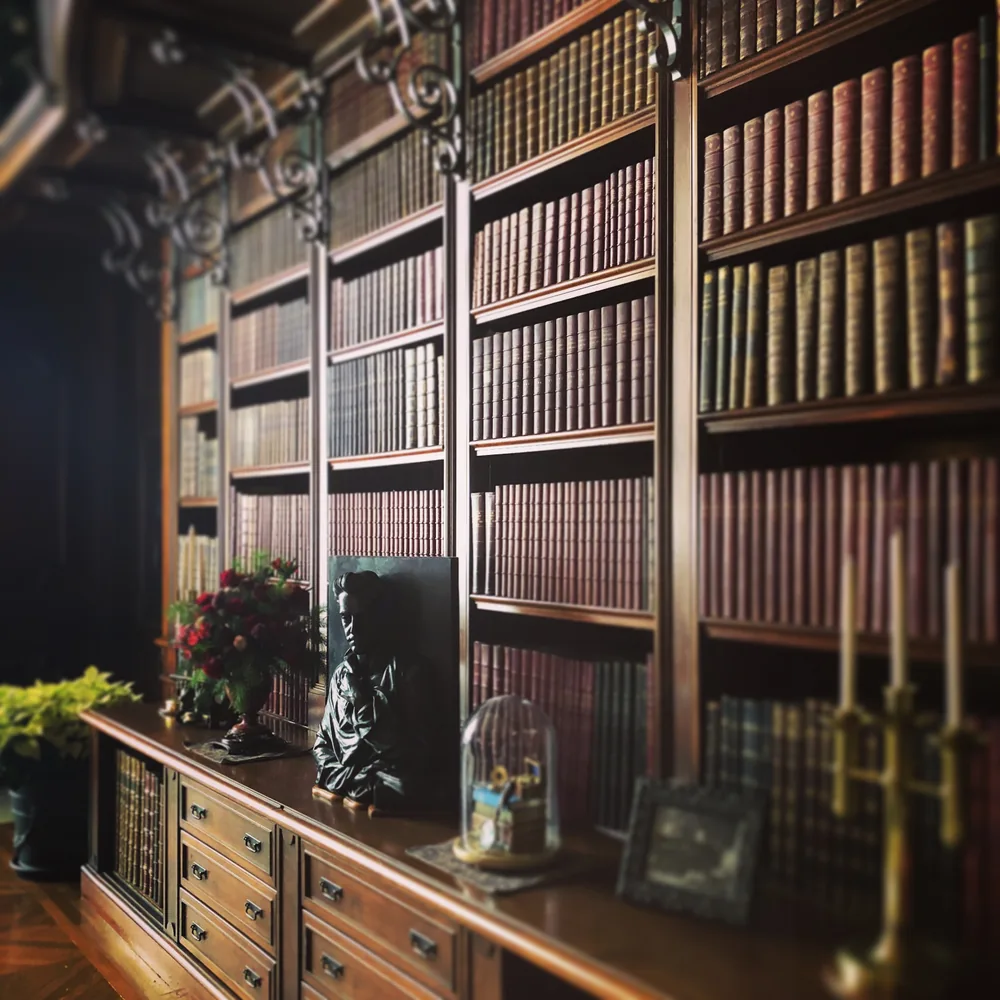
A dark academia desk can feel thoughtful and lived in without becoming a film set. The useful things come first: somewhere comfortable to sit, light that lets you read, and space to put down the work in front of you. Once those are in place, the atmosphere can come from the books, colours and objects you choose to keep nearby.
Draw a line around the working space
Set out your laptop or keyboard, an open notebook and the drink you normally have beside you. Move through an ordinary task. The space your hands use is your working area; keep ornaments outside it. A display that makes you move three objects every morning will soon feel like another job.
If the desk is shallow, use an existing shelf for decorative pieces. On a deeper desk, a small group at the back can create a sense of place while leaving the front clear. Keep anything delicate away from cable routes, opening drawers and the area where a chair or sleeve might catch it.
Let the books do some of the decorating
Choose books you use or enjoy, then arrange them so their spines are still readable. There is no need to wrap everything in matching paper. Different bindings give dark timber and plain walls a little life. Try one short upright run and one small horizontal stack rather than filling the whole surface.
Castle dragon bookends (Amazon UK affiliate link) introduce a strong sculptural shape at the ends of a shelf. Check the size of both pieces and the weight of the books they need to support. The book-shaped pair with little drawers (Amazon UK affiliate link) offers a quieter visual approach, but small decorative drawers should not be mistaken for a full desk organiser.
Choose one companion for the shelf
The Quasi gargoyle (Amazon UK affiliate link) is a compact accent for an indoor bookshelf. Place it beside a lighter spine or against a warmer background so its black outline remains visible. Its appeal comes from its shape; it does not need a ring of other tiny ornaments to explain the theme.
If you prefer mechanical detail, the Secrets of the Machine box (Amazon UK affiliate link) combines a dragon with painted gears. It is resin with a metallic finish, not a metal storage chest. Think of it as a place for small keepsakes and check the usable compartment size if you have a particular object in mind. Only one of these pieces may be enough for the desk.
Separate atmosphere from task lighting
A decorative lamp can make the corner welcoming, but choose your working light for the way you read and use a screen. Check whether the shade directs light where you need it, whether the bulb is included, and whether reflections appear on your display. Move the lamp before assuming you need a brighter bulb.
The blue stained-glass table lamp (Amazon UK affiliate link) is a decorative option with a distinct colour and shade pattern. Its listing specifies an E27 fitting and no included bulb. Treat the dimensions and electrical requirements as buying checks, and decide whether you also need a separate, adjustable reading light. A moody room should still let you see what you are doing.
Make the end of the day feel different
Give papers a tray or a folder, return pens to one place and leave the next task ready. That small reset does more for the room than another accessory. A warm throw over the nearby chair can connect the desk to the rest of the home without taking up working space.
Explore the library room board for the palette, then follow the reading-corner guide if your desk shares a room with somewhere to relax. The most convincing academic atmosphere comes from a space that is used: a book left open, a note worth keeping, and enough room to begin again tomorrow.
Product notes are selection guidance, not claims of hands-on testing. Room and story images illustrate a mood; product cards show the selected item and link straight to its Amazon UK listing.