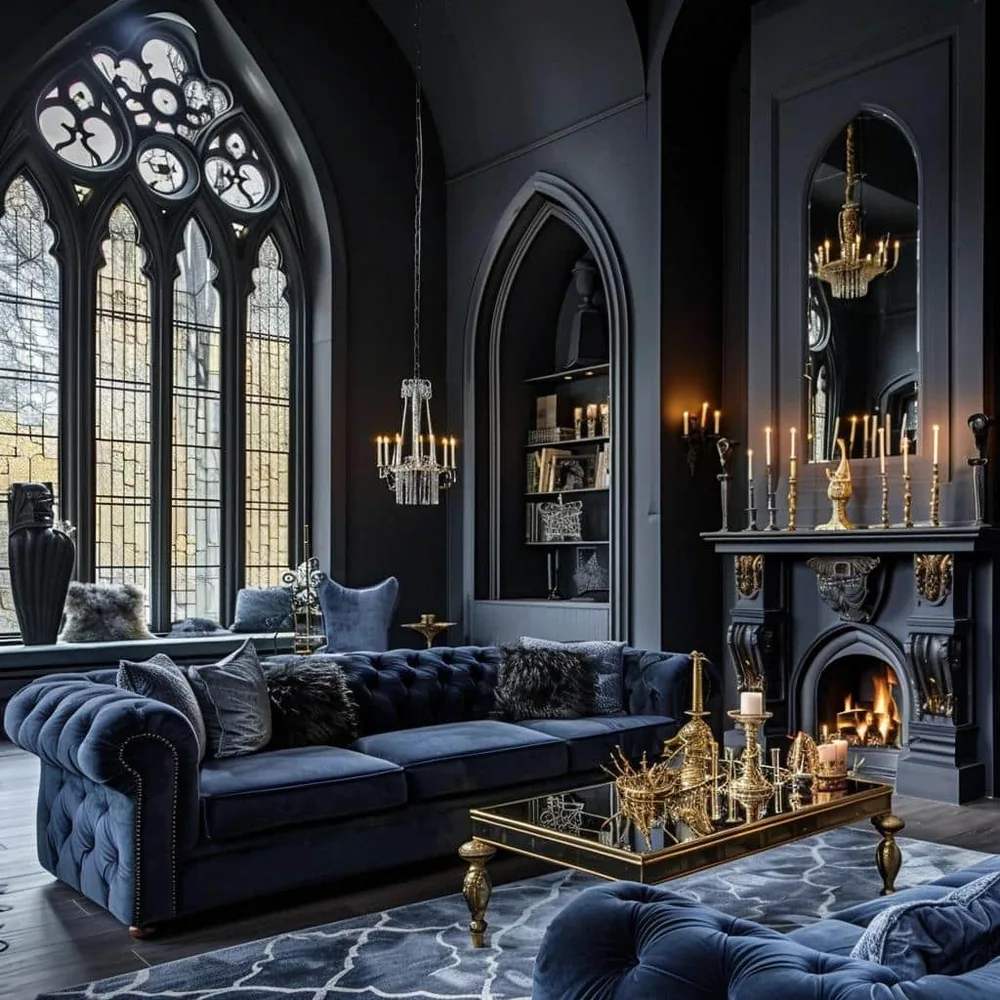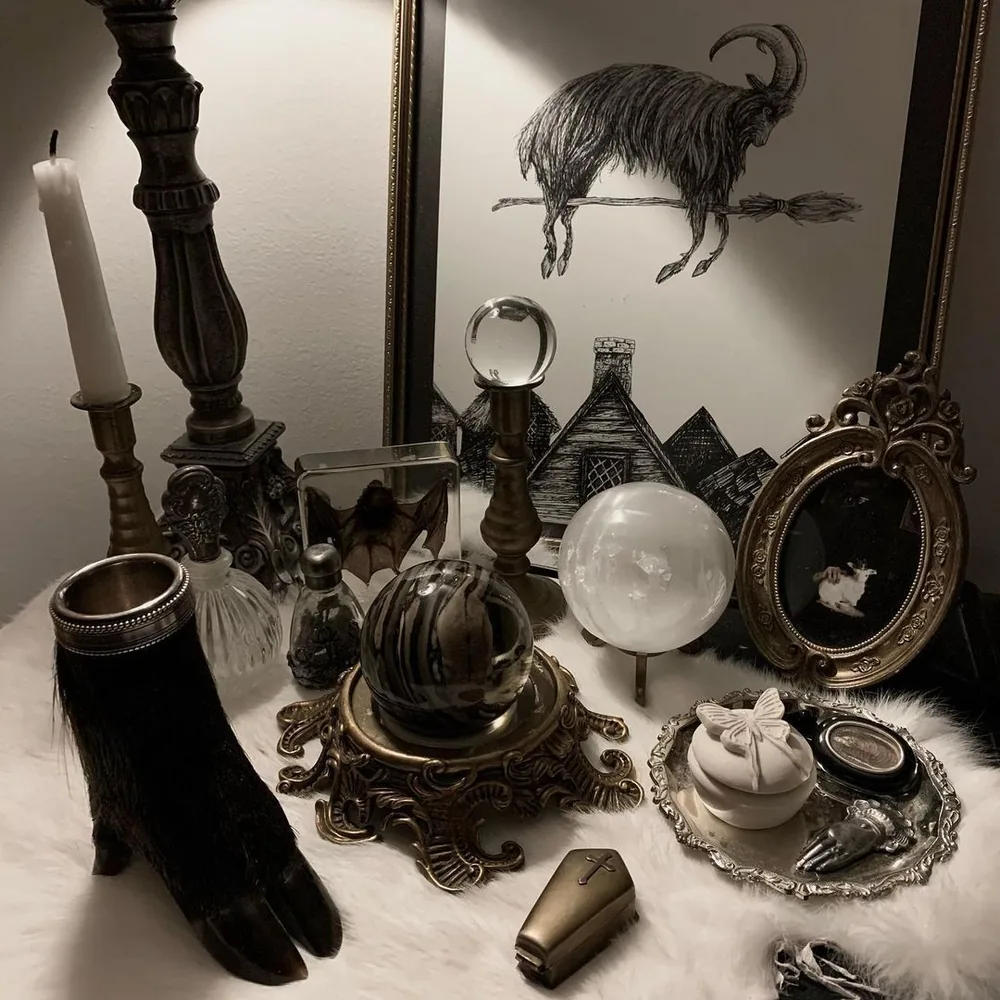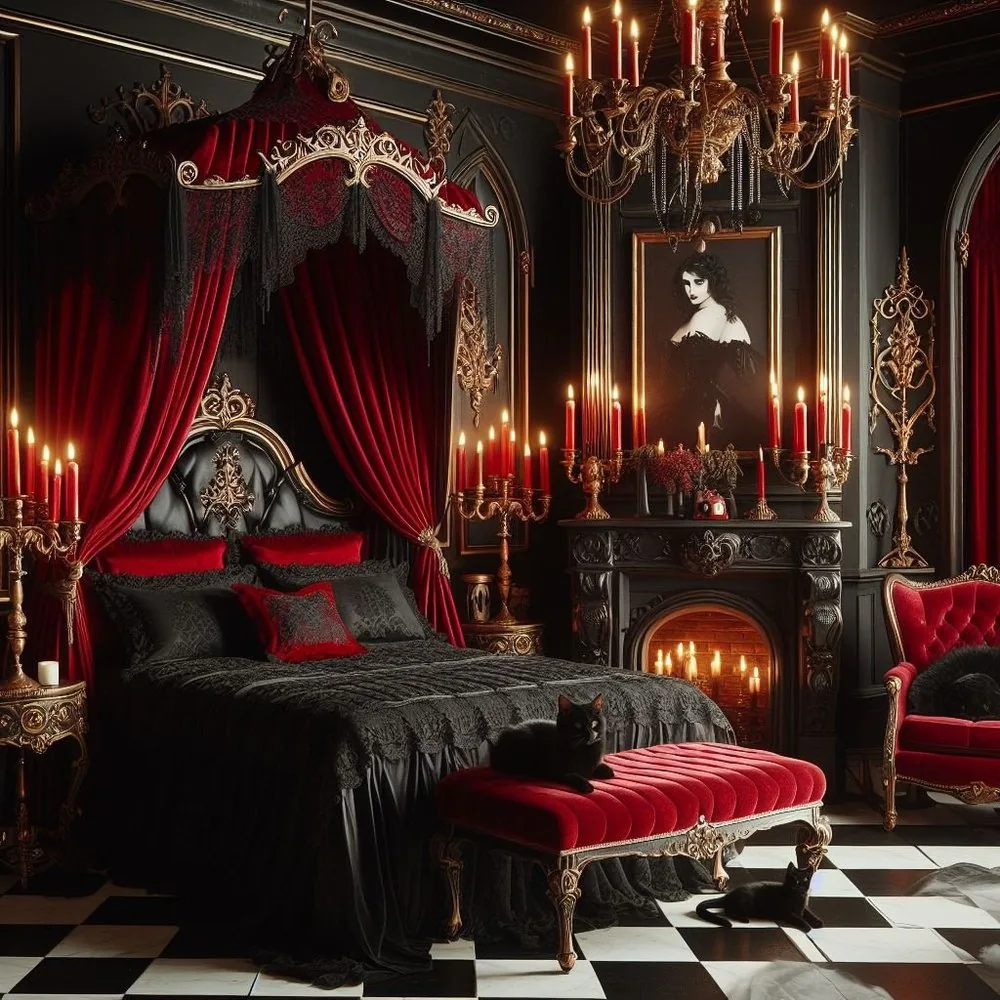
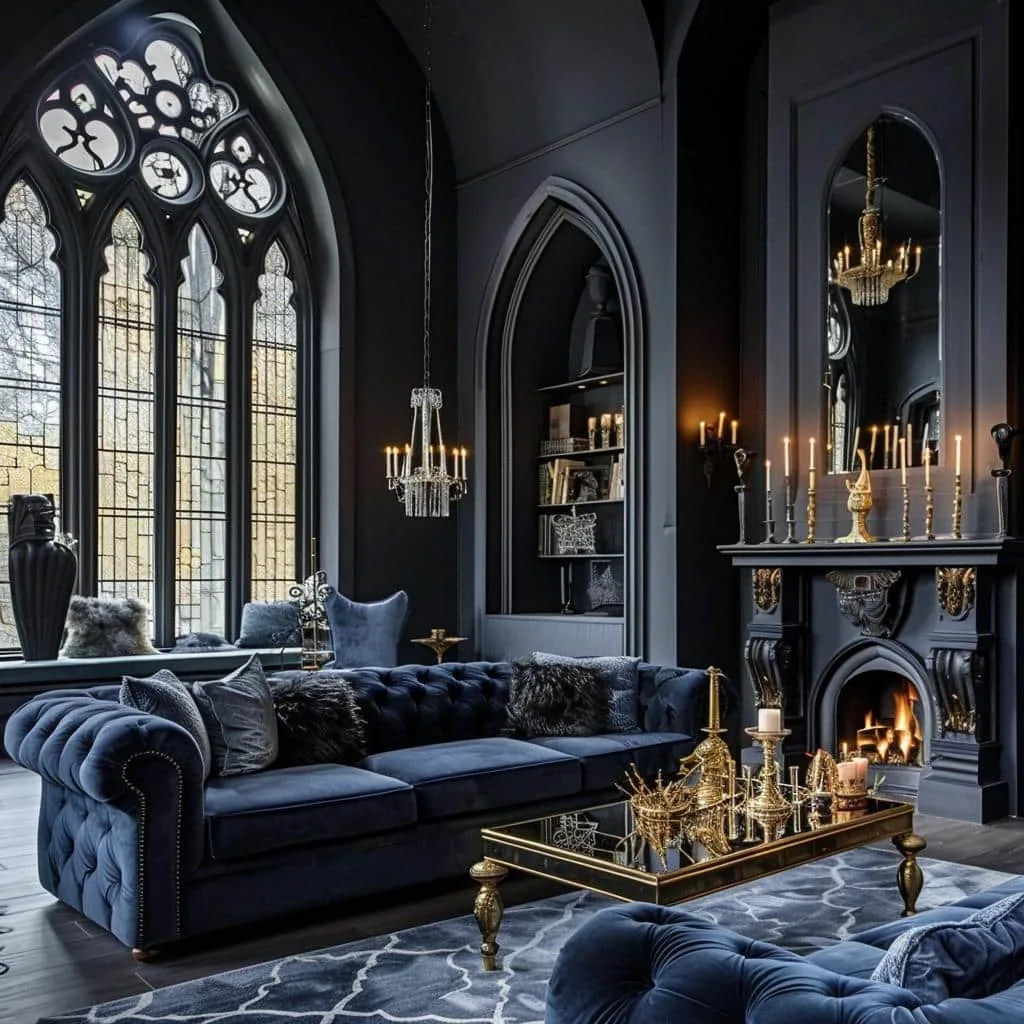
A dark room can feel wonderfully welcoming when you give the eye a few places to rest. Begin with the light you already have. Notice where daylight falls in the morning and where the room feels flat in the evening; that is more useful than choosing a paint color from a photograph.
Choose a dark with an undertone you enjoy. Blue-black, warm charcoal, brown-black and deep green all behave differently beside timber, cream and metal. Paint a generous sample and look at it in the room at several times of day before committing.
Bring light down to human height. A shaded lamp beside a chair, another on a cabinet and a brighter light where you read or work let the room change with what you are doing. Avoid relying on a single ceiling light to make every corner feel right.
Then add texture. A velvet cushion, a woven rug and a linen curtain can sit within the same narrow color range and still feel distinct. Keep at least one surface simple so that the richer details have space around them.
Finally, keep the room personal. A print you love or a well-used chair will do more for the atmosphere than a shelf of matching ornaments. Start with what you have and add only what the room seems to be missing.
Keep the connection useful
Our modern gothic guide gathers the palette and related rooms. A round black mirror (Amazon UK affiliate link) can introduce a simpler outline, while a black display tray (Amazon UK affiliate link) gives small everyday things one place. Measure their full footprint first. The hallway guide and the shelf-styling story show those choices in context.
Product notes are selection guidance, not claims of hands-on testing. Room and story images illustrate a mood; product cards show the selected item and link straight to its Amazon UK listing.